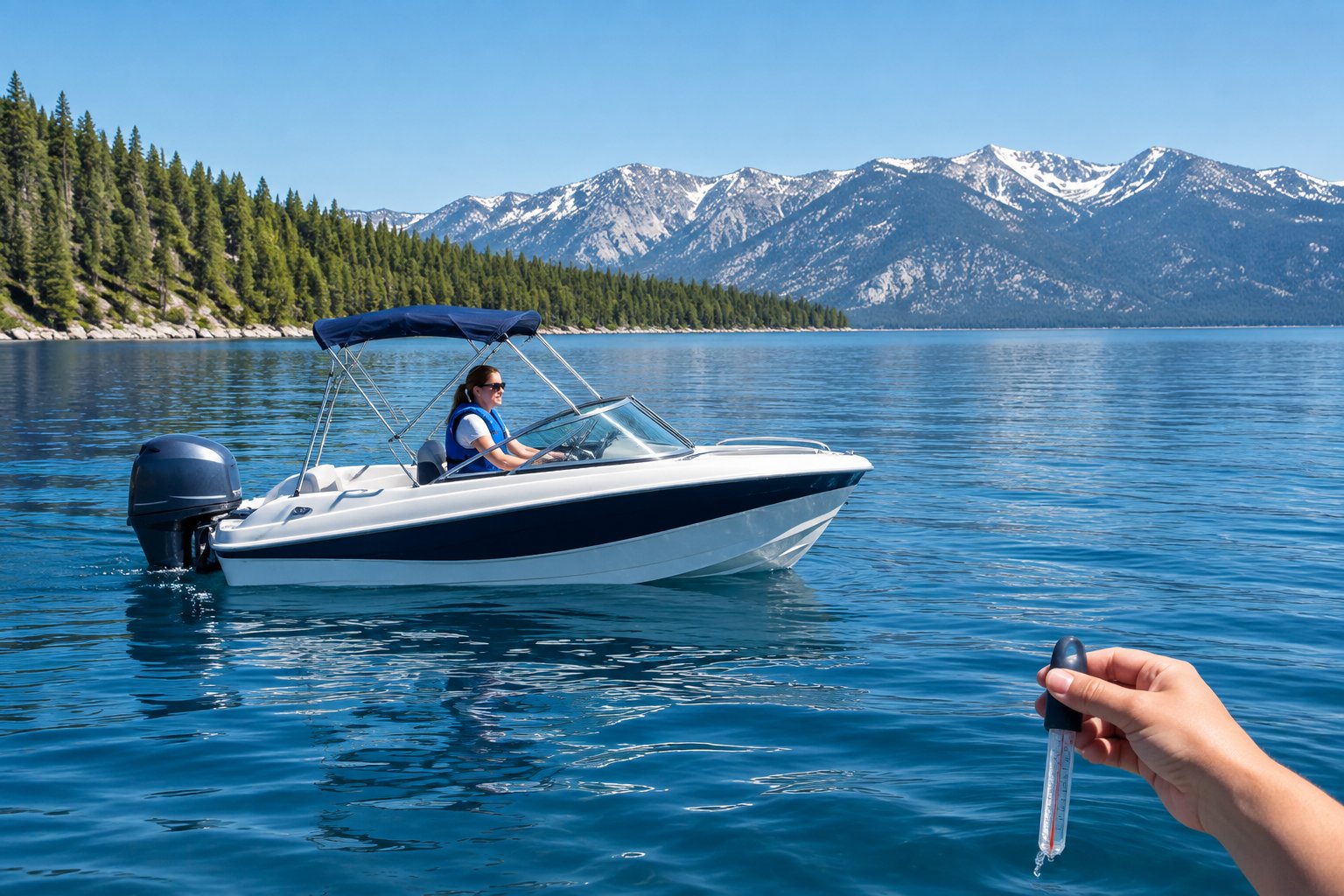
Lake Tahoe boating regulations cover more ground than most boat owners expect, and the water temperature adds a layer of risk that rules alone can't fix. The lake enforces a 600-foot no-wake zone from every shoreline, requires boater education cards depending on which state you launch from, and runs a mandatory inspection program to keep invasive species out. None of that changes the fact that surface water sits in the 50s and 60s°F through most of the season, cold enough to cause real trouble if you end up in it unexpectedly.
Lake Tahoe boating rewards preparation. Before you hitch up the trailer or carry a paddleboard down to the water, it helps to check current conditions rather than assume last season's numbers still apply. LakeWatchers tracks live Lake Tahoe water temperature, wind, and Lake Tahoe boat ramps status, so you can confirm what's happening before you leave the driveway.
What Rules Must Boaters Follow on Lake Tahoe?
Every boater on Lake Tahoe answers to a shared set of rules built around speed control, operator training, and required safety gear. These apply whether you're running a wake boat out of Kings Beach or paddling a kayak along the shoreline near Tahoe Vista.
Where Are the No-Wake and Speed-Restricted Areas?
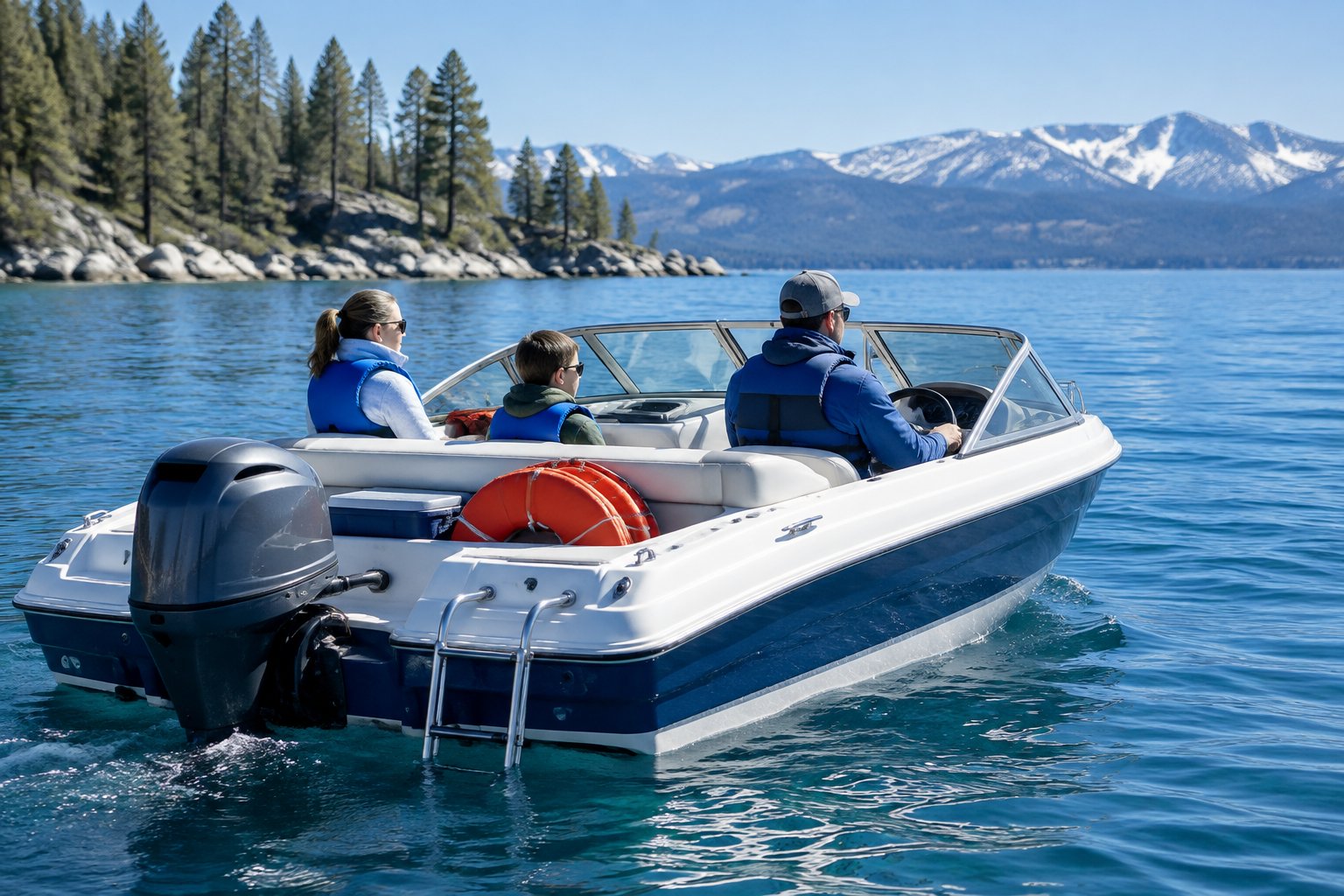
A 600-foot no-wake zone runs along the entire shoreline of Lake Tahoe. Inside that zone, boats must travel at speeds that create no wake, which protects swimmers, paddlers, docks, and the shallow habitat close to shore. Posted speed limits apply in additional zones, including areas near marinas and popular beaches, so watch for buoys and signage as you approach the shore.
Which Boater Education Requirements Apply in California and Nevada?
California requires most motorized boat operators to carry a California Boater Card, with age-based deadlines that have phased in over recent years (see our California lake regulations overview). Nevada has its own boater education requirements for certain operators, particularly younger boaters and personal watercraft riders (detailed under Nevada boating guidelines). Because Lake Tahoe straddles both states, check which state's ramp you're launching from and confirm the current requirement before you go, since rules have been updated in recent seasons.
What Safety Gear Do Motorboaters and Paddlers Need?
Every vessel on Lake Tahoe needs a Coast Guard-approved life jacket for each person aboard, and paddlers count as boaters under a 2008 Coast Guard classification that applies traffic rules to kayaks and paddleboards. Boats also need a working signaling device and a white navigation light for operation after sunset or before sunrise. The Tahoe Boating App and the Lake Tahoe Water Trail map are useful references for checking rules, launch points, and paddling routes tied to broader boating safety guidance.
How Cold Is Lake Tahoe’s Water?
Lake Tahoe's surface water temperature swings from roughly 40°F in winter to a summer peak near the high 60s°F, and the depths stay near 39°F year-round regardless of season. That gap between a warm-looking surface and a lake that never fully warms below a few feet down catches people off guard, especially swimmers and anyone who falls overboard unexpectedly.
Where Can You Check the Current Surface Temperature?
Real-time surface temperature readings come from monitoring stations positioned around the lake, and LakeWatchers pulls current conditions directly into our Lake Tahoe water level & temperature tracker and national water temperature dashboard so you can check the number before heading out rather than relying on a seasonal average. A reading taken this morning can differ several degrees from what the lake felt like last week, particularly after a cold front or a shift in Lake Tahoe weather.
How Do Seasonal Changes and Cold Water Shock Affect Your Plans?
Surface temperature climbs through spring and peaks in August, then drops again as fall arrives, but even peak summer readings sit well below what most people consider comfortable ocean swimming water. Sudden immersion in water this cold can trigger cold water shock (detailed in our cold shock vs hypothermia survival guide), an involuntary gasp reflex and rapid loss of muscle control that has contributed to drownings at Tahoe every summer. Wildlife agencies point to the "1-10-1" principle: about one minute to control breathing, ten minutes of meaningful movement before muscles fail, and roughly one hour before hypothermia becomes critical. A life jacket worn the entire time on the water, not stowed under a seat, is the difference-maker if you go in unexpectedly.
When Should Wind or Weather Keep You Off the Lake?
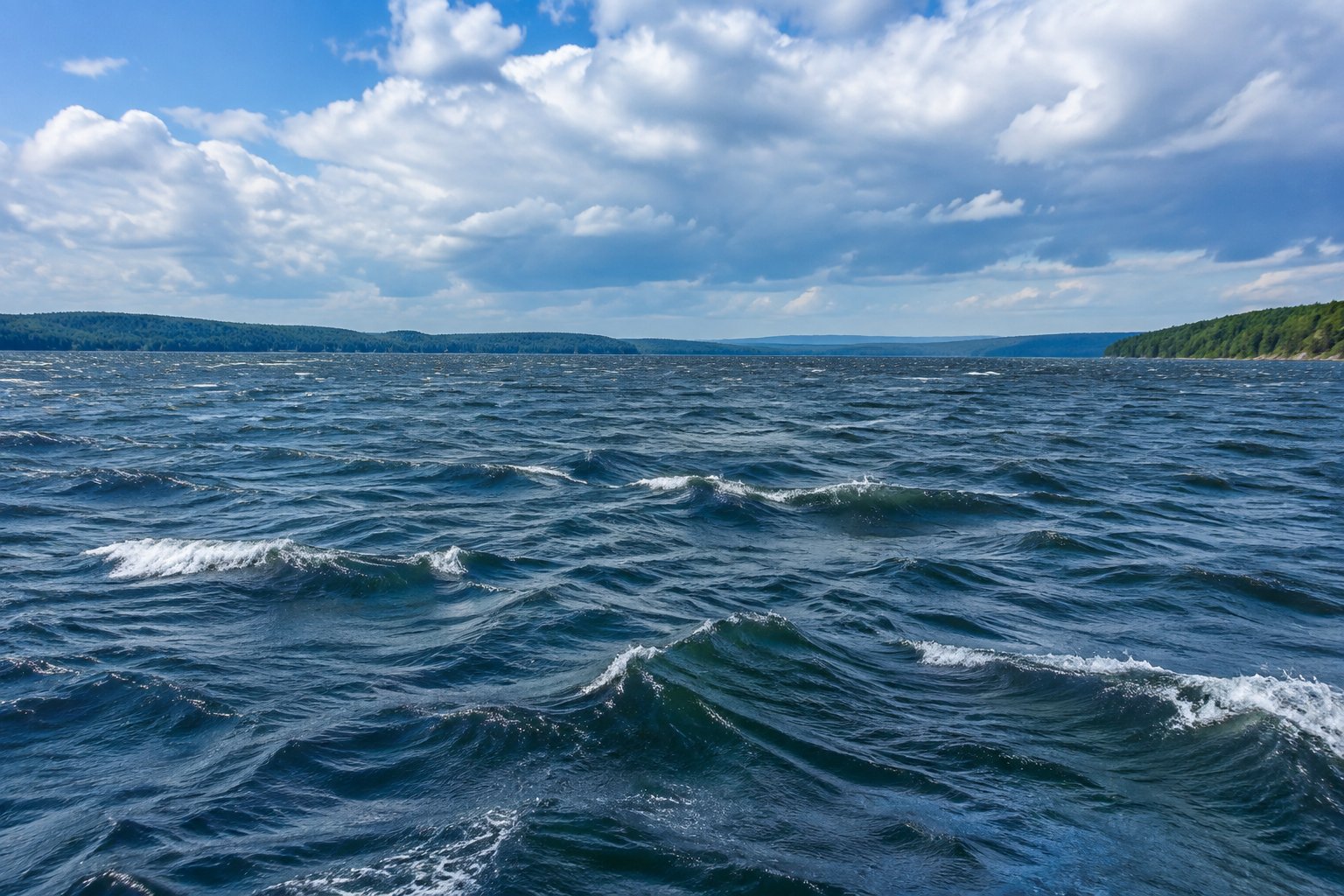
Afternoon winds build quickly on Tahoe, especially in open stretches between the East Shore and West Shore, turning calm morning water into steep chop within an hour. Check the wind forecast and any small craft advisories before launching, and treat a rapid barometric shift or darkening sky over the ridgeline as a signal to head in early. Waiting out a squall on shore costs you an afternoon; getting caught in one with a small boat or paddleboard costs a great deal more.
What Must You Do Before Launching Your Watercraft?
Every vessel touching Lake Tahoe, motorized or not, falls under the Tahoe Keeper and inspection program designed to stop aquatic invasive species from spreading. Skipping this step isn't just a rules violation; it risks introducing species like quagga or golden mussels that have devastated other Western lakes.
Which Boats Need an Inspection, Sticker, or Seal?
Motorized boats need a tahoe boat inspection and a tahoe inspection sticker before launching at any regional ramp or marina, and an intact seal from a previous inspection lets you launch again without repeating the full process. If the seal is broken, missing, or shows signs of tampering, the boat has to go through inspection again before it touches the water. New boats fresh from the factory still require inspection despite never having been in another body of water, since inspectors check for standing water and other risk factors, not just prior use.
How Do You Clean, Drain, and Dry Paddle Gear?
Non-motorized craft, including kayaks, canoes, and paddleboards, are also subject to inspection or decontamination requirements under the Tahoe Keeper program. Drain any standing water, clean off visible mud or plant material, and let gear dry completely between uses in different bodies of water. Hand-launched non-motorized vessels moved directly from your vehicle to the water at an unstaffed access point still need to meet these same self-certification steps under the Tahoe Keeper program.
Where Can You Launch, and What Can Change Access?
Public ramps around Lake Tahoe serve different shorelines, and each one has its own quirks tied to water level, boat size, and seasonal crowding. Knowing which ramp fits your boat and checking verified Lake Tahoe boat ramps saves a wasted trip with a loaded trailer.
Which Public Ramps Serve the North and East Shores?
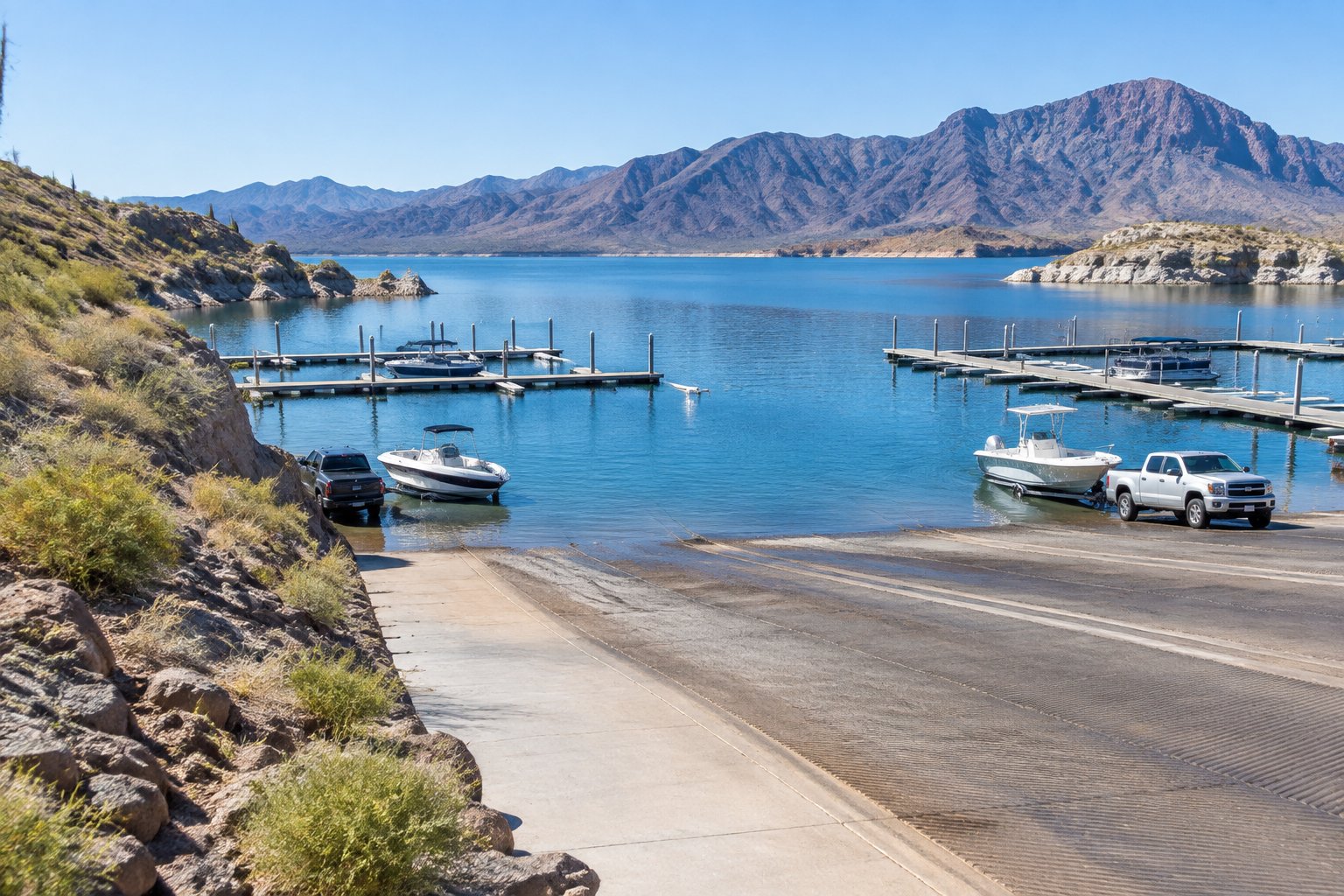
Sand Harbor and Cave Rock serve the Nevada side of the lake and see heavy traffic during peak summer weekends, with Cave Rock offering a steeper, faster launch for trailered boats. On the California side, Lake Forest, Kings Beach, and Tahoe Vista provide North Shore access, each with different depth and parking conditions depending on the time of year. Confirm hours and any capacity limits before arriving, since some ramps close temporarily during high-demand events or maintenance work.
How Do Water Levels and Ramp Conditions Affect Launching?
Lake Tahoe's water level shifts with snowpack runoff and managed outflow through the dam at the lake's outlet, and low-water years can leave some ramps too shallow for deeper-draft boats by late summer. A ramp that launched your boat easily in June might expose rocks or a steep drop-off by September. Check live Lake Tahoe water level elevation alongside the national water level tracker and ramp status on LakeWatchers before you tow out, alongside any posted notices at the ramp itself, since conditions can change within days during a dry stretch.
Check Conditions Before You Tow or Paddle
Confirming current water temperature, wind forecast, and ramp status before you leave home is the single most useful habit for anyone boating on Lake Tahoe. Conditions here shift faster than they do on a typical inland lake, driven by afternoon wind patterns, seasonal runoff, and a lake floor that never really warms up.
Boating safety on Tahoe comes down to matching your plan to what the lake is actually doing that day, not what it did last weekend. Checking live surface temperature, wind, and ramp conditions before launching gives boaters and paddlers on Lake Tahoe the clearest picture of real risk on any given day. LakeWatchers keeps current readings updated on our Lake Tahoe conditions dashboard so you can make that call with real numbers instead of guesswork.
Conclusion
Lake Tahoe rewards boaters who treat the rules and the cold water as connected, not separate concerns. The 600-foot no-wake zone, state boater card requirements, and inspection program exist alongside a lake that stays dangerously cold even at the height of summer. Checking current conditions, wearing a life jacket the entire time you're on the water, and confirming ramp status before you tow out covers most of the risk that catches visitors off guard.
Frequently Asked Questions
What are the boating regulations on Lake Tahoe?
Lake Tahoe boating regulations include a 600-foot no-wake zone around the entire shoreline, required life jackets for every person aboard, and mandatory watercraft inspections to prevent invasive species. Operators also need state-specific boater education credentials depending on which side of the lake they launch from, either California or Nevada.
What is the water temperature in Lake Tahoe right now?
Current surface temperature varies by day and season, ranging from around 40°F in winter to the high 60s°F at the peak of summer. Check our live Lake Tahoe water temperature dashboard and national water temperature index for today's actual reading rather than relying on a seasonal average.
Is Lake Tahoe water too cold to swim?
Lake Tahoe's water stays cold enough year-round to cause cold water shock, even during summer months when the surface feels warmer. Swimming without a life jacket nearby or without knowing the current temperature carries real risk, especially for sudden immersion after a fall from a boat or paddleboard. Review our cold shock survival guide before entering deep water.
Do kayaks and paddleboards need a Tahoe inspection?
Yes, all hand-launched non-motorized vessels, including kayaks, canoes, and paddleboards, are subject to inspection or decontamination requirements under the Tahoe Keeper program. Draining, cleaning, and drying gear between uses in different water bodies is part of meeting that requirement.
Can I launch at Lake Tahoe with an inspection sticker but no intact seal?
No, a broken, missing, or tampered seal means your boat needs to be inspected again before it can launch at any regional ramp or marina. Ramp operators and marinas cannot launch an unsealed vessel until an inspector clears it at an official inspection station.