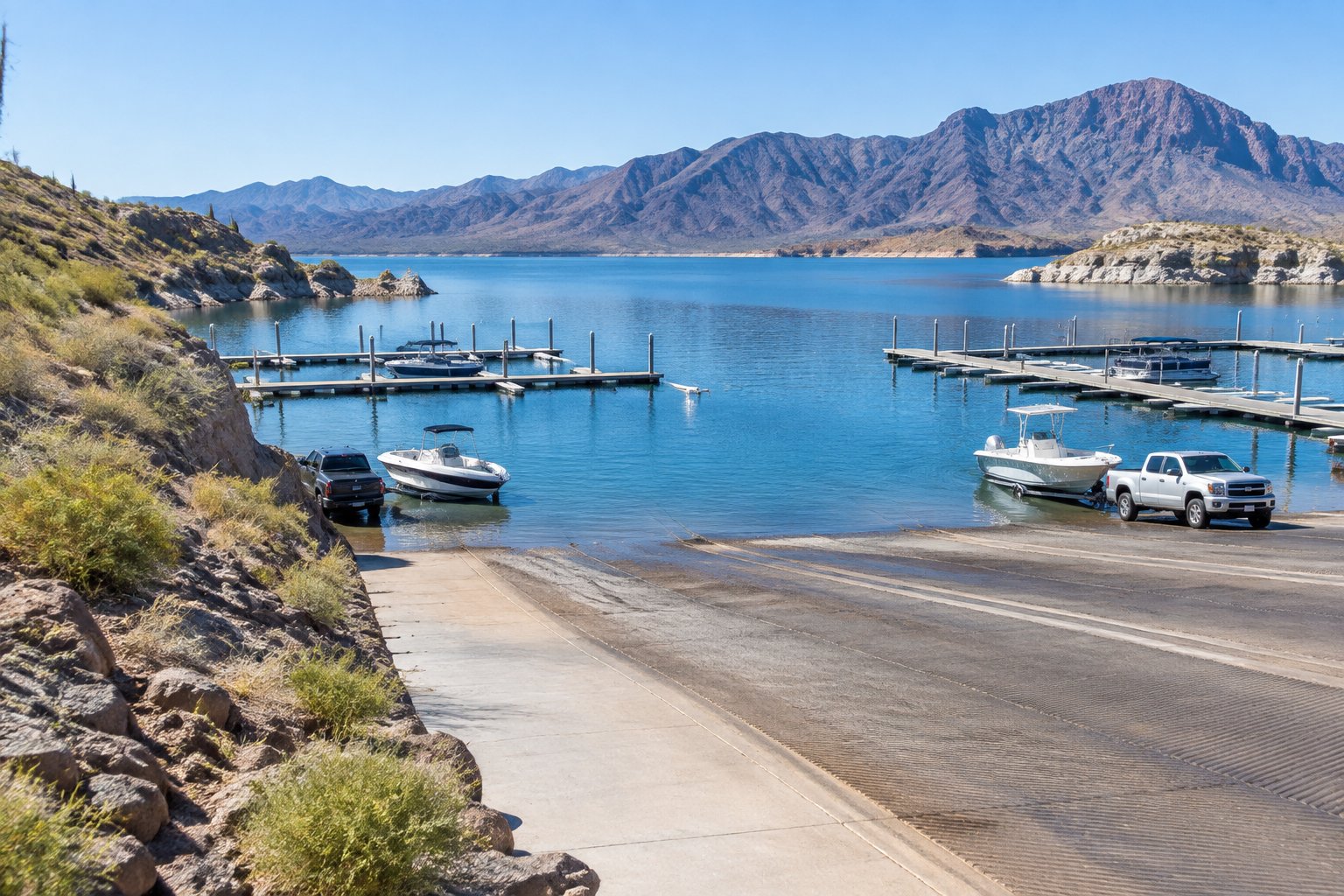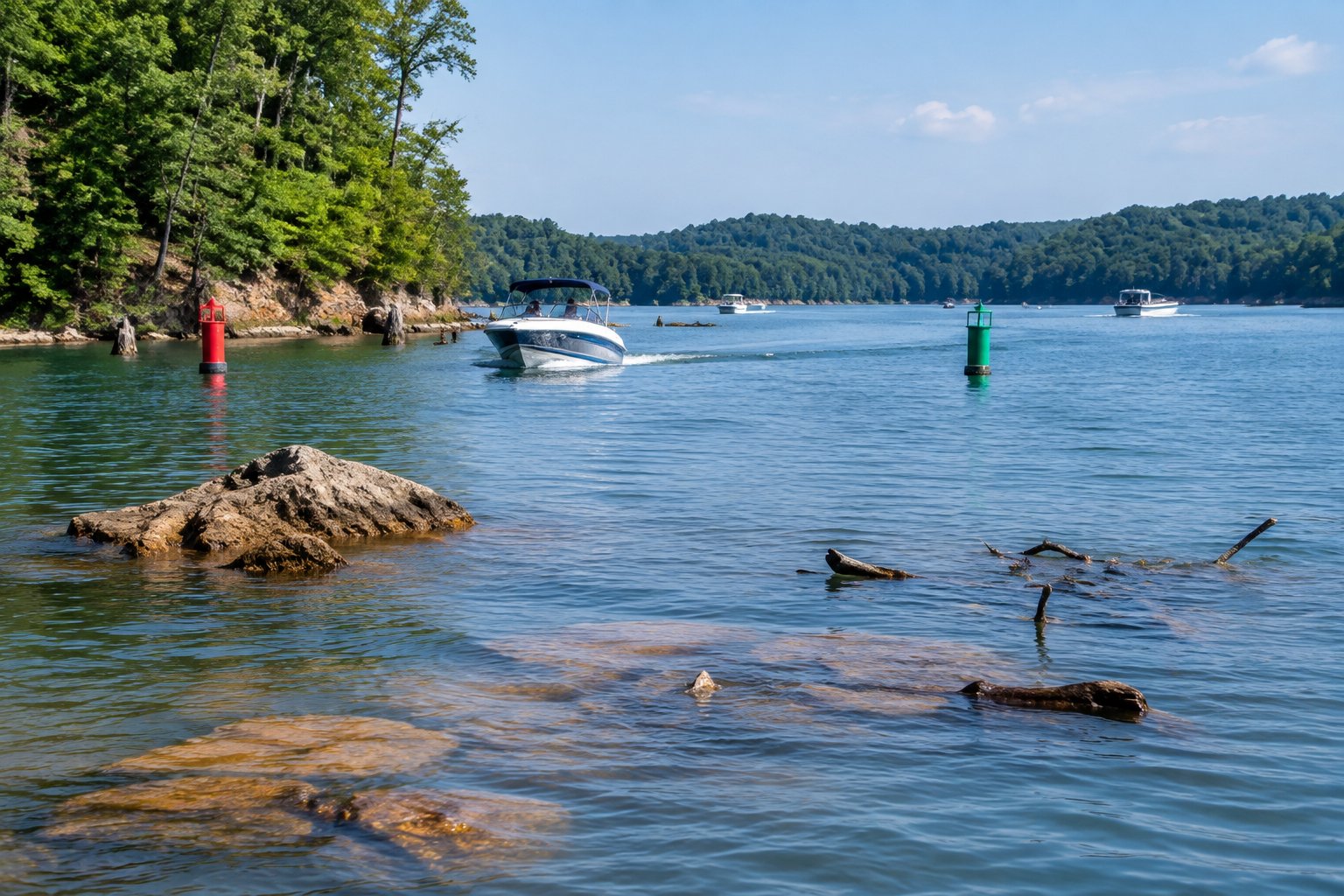
I've spent enough afternoons on Lake of the Ozarks to know that calm mornings and choppy afternoons can happen on the same trip. The lake covers more than 1,100 miles of shoreline, and wind, wakes, and weekend traffic can turn a smooth ride into a bumpy one in the time it takes to grab lunch at a cove restaurant.
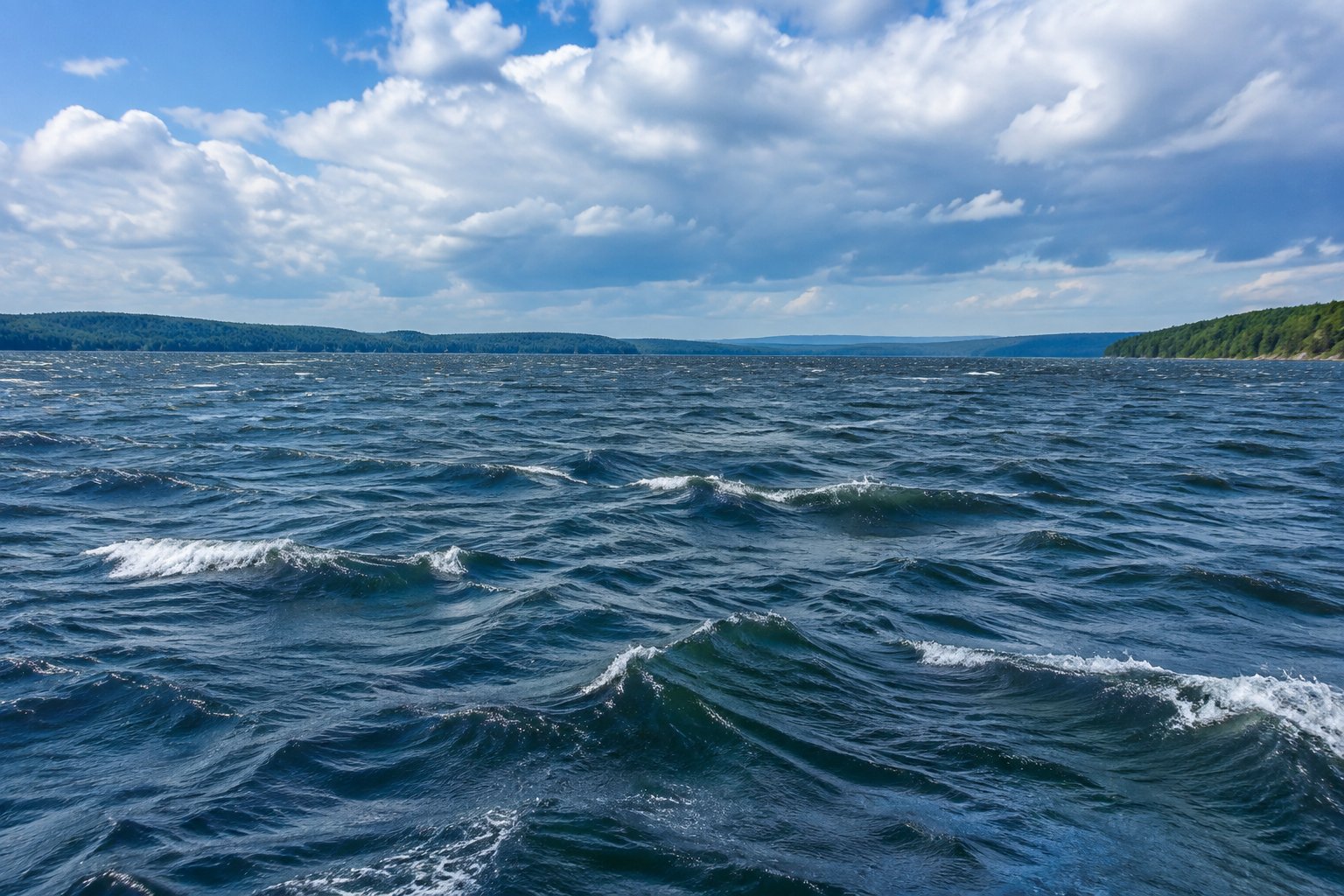
Rough water at the Lake of the Ozarks usually comes from a mix of wind and heavy boat traffic rather than one single cause. Knowing where and when conditions tend to build lets a boater plan routes, adjust speed, and keep passengers and gear secure before things get uncomfortable. Docks and lifts also need to handle these conditions season after season.
If you're planning a trip and want a look at current lake conditions before you head out, checking water level trends for Lake of the Ozarks is a good place to start.
When and Where Conditions Get Rough
Rough water at the Lake of the Ozarks shows up most on the Main Channel and at busy intersections where multiple coves meet open water. Wind funnels down the long, narrow lake basin, and boat wakes stack up in these wider stretches, especially during peak traffic hours.
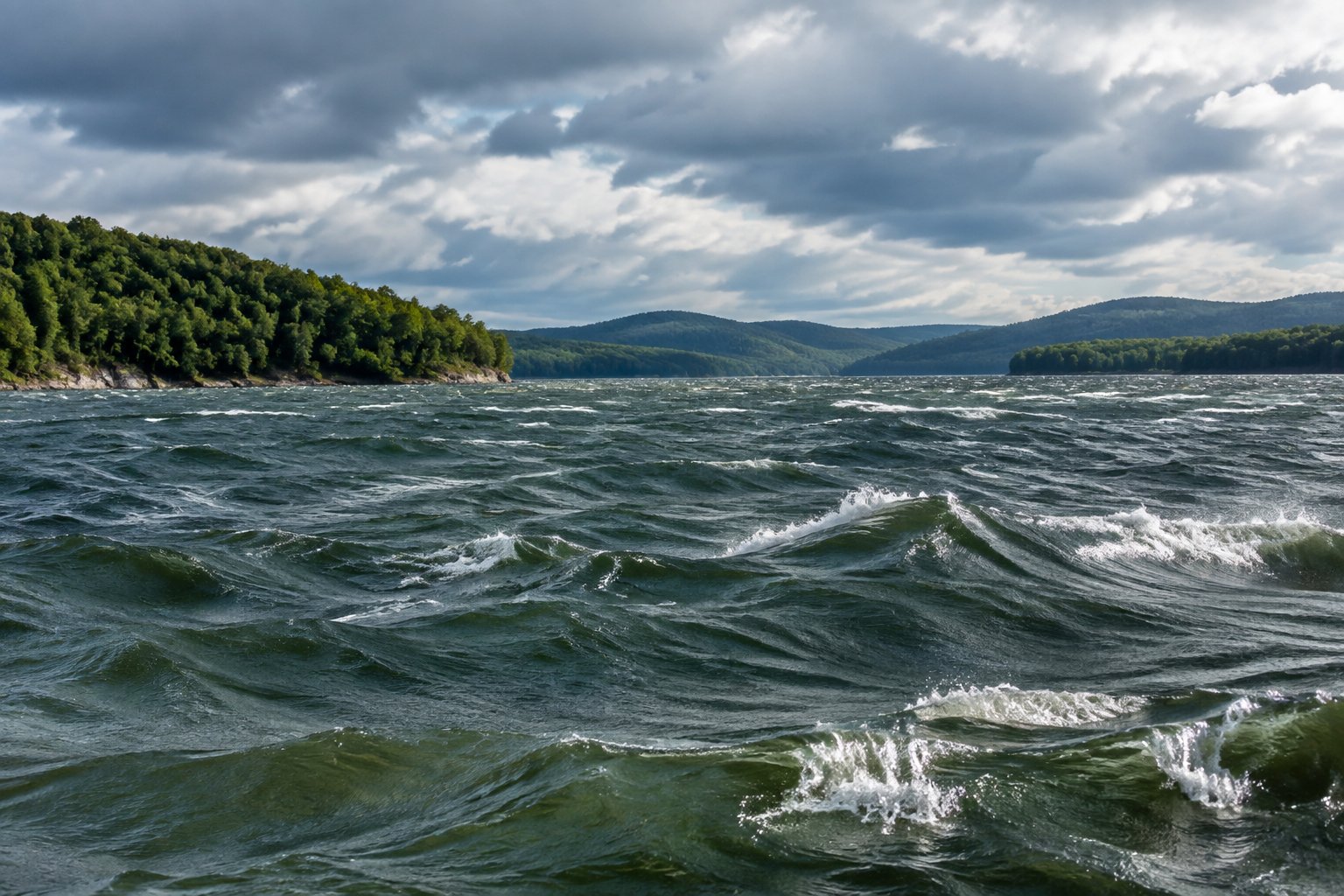
Why the Main Channel Gets Choppy
The Main Channel runs long and open, giving wind a straight path to build waves. Boat wakes from passing traffic have room to roll and combine with wind-driven chop, creating a washing-machine effect in busy stretches.
High-Traffic Areas and Busy-Weekend Conditions
Weekends and holidays bring dense boat traffic near Osage Beach, the Grand Glaize corridor, and other popular gathering spots. More boats moving at different speeds and directions means more overlapping wakes and less predictable water.
How Wind, Wakes, and Boat Traffic Combine
Wind alone rarely causes serious chop on this lake. It's the combination of sustained wind, congested boat traffic, and narrow channel geometry that produces the roughest conditions, particularly in the afternoon when wind speeds often pick up and traffic peaks.
How to Handle Wakes and Swells Safely
Handling rough water safely comes down to matching your speed, trim, and approach angle to the conditions in front of you. A boat that's properly trimmed and moving at a controlled speed rides waves far more predictably than one plowing through at full throttle.
Choose a Safe Speed and Trim Setting
Slow down before you reach rough water, not after you're already in it. Trimming the bow down slightly helps the boat stay level and reduces slamming when crossing waves or wakes.
Approach Wakes at the Right Angle
Cross wakes at an angle, generally somewhere between 30 and 45 degrees, rather than straight on or parallel. This angle lets the hull rise and fall smoothly instead of pounding through the wave face or rolling side to side.
Position Passengers and Secure Loose Gear
Ask passengers to sit down and hold on before entering choppy water. Loose coolers, tubes, and bags should be stowed or tied down since sudden movement can send them flying.
Know When to Slow Down or Change Course
If waves are building faster than expected or visibility drops, reduce speed further or head toward a more protected area. Coves off the Niangua Arm and Gravois Arm often offer calmer water when the Main Channel turns rough.
Protecting Your Dock From Heavy Water
A dock built for rough water needs a sturdier frame, secure anchoring, and flotation designed to handle repeated wave action without failing over time. Standard residential docks built for calm coves often struggle when placed on exposed shoreline.
What Makes a Dock Suitable for Rough Water
Rough water docks typically use heavier frame materials, such as I-beam or angle iron truss construction, to resist twisting and flexing under wave stress. This added strength matters most on shoreline exposed to Main Channel traffic or open wind runs.
Anchoring, Flotation, and Frame Considerations
Solid anchoring keeps a dock from shifting during storms or heavy wake events. Poly lift flotation, made from sealed polyethylene, resists water absorption better than older foam-filled floats, helping the dock stay level over years of use.
Dock Accessories That Improve Safety and Access
Wet steps, textured steps that stay just below the waterline, give swimmers and boaters a stable, non-slip entry point even as lake levels shift. Bumpers, cleats, and secure railings also reduce wear and improve everyday safety around the dock.
When Dock Repairs or Refoaming Are Needed
Cracked flotation, sagging frames, or loose anchoring cables signal it's time for repair. Local dock service companies, including Rough Water Dock, handle repairs, refoaming, and modifications for docks affected by years of wave exposure.
Plan a Safer Day on the Water
A safer day on Lake of the Ozarks starts with timing your trip around traffic and weather rather than reacting to rough conditions once you're already out. Morning runs tend to bring calmer water and lighter boat traffic than afternoons.
Pick Lower-Traffic Times and Routes
Early mornings and weekday trips usually mean less congestion on the Main Channel. Avoiding peak afternoon hours near popular gathering spots reduces exposure to overlapping wakes.
Check Weather, Water Conditions, and Boat Readiness
Review the wind forecast and current lake conditions before leaving the dock. Confirm your boat's fuel, bilge pump, and safety gear are ready, especially before longer trips on open water.
Use Life Jackets and Assign a Reliable Spotter
Missouri law requires life jackets for children under seven on open decks, and having enough properly fitted jackets on board for everyone is sound practice regardless of age. Assign a spotter to watch for other boats and swimmers, particularly in busy areas.
Practice Courteous Wake Management
Reduce speed near docks, swimmers, and slower boats to minimize your wake's impact. Courteous throttle control helps keep shared water safer and more predictable for everyone nearby.
Prepared Boating Makes Rough Water Manageable
Rough water is a regular part of boating on Lake of the Ozarks, not an occasional surprise. Knowing which stretches get choppy, adjusting speed and angle when crossing wakes, and keeping docks built and maintained for wave exposure all reduce risk on the water.
Conditions can shift within an hour on a busy weekend, so checking current wind and traffic patterns before heading out remains a useful habit. If you're weighing dock upgrades or want to explore more of what the lake offers, browsing options for living on Lake of the Ozarks or checking nearby boat ramps can help with planning your next trip.
Frequently Asked Questions
How rough does Lake of the Ozarks get?
Lake of the Ozarks can develop choppy conditions with noticeable whitecaps during windy afternoons or busy weekends, particularly on the Main Channel. Rough conditions rarely reach ocean-scale waves, but combined wind and boat traffic can still create uncomfortable, potentially hazardous chop for smaller or less stable boats.
What areas of Lake of the Ozarks are usually the roughest?
The Main Channel and busy intersections near high-traffic areas like Osage Beach and the Grand Glaize corridor tend to see the roughest water. Long, open stretches give wind and wakes room to build before reaching narrower coves.
Is it safe to boat on Lake of the Ozarks during busy weekends?
Boating during busy weekends is manageable with extra caution around wake crossings and speed control. Traffic volume increases the number of overlapping wakes, so slower speeds, wider berths around other boats, and heightened attention are worthwhile during peak hours.
How should I cross a large boat wake at Lake of the Ozarks?
Cross large wakes at an angle between 30 and 45 degrees while reducing speed beforehand. This approach lets your hull rise and fall smoothly over the wave rather than slamming through it or rolling sideways.
What type of dock is best for rough water at Lake of the Ozarks?
Docks built with reinforced frames, such as I-beam or angle iron truss construction, paired with poly lift flotation handle rough water more reliably than standard residential designs. Adding wet steps and secure anchoring further improves safety and durability on exposed shoreline.