The Dangerous Illusion of Warm Air Temperatures
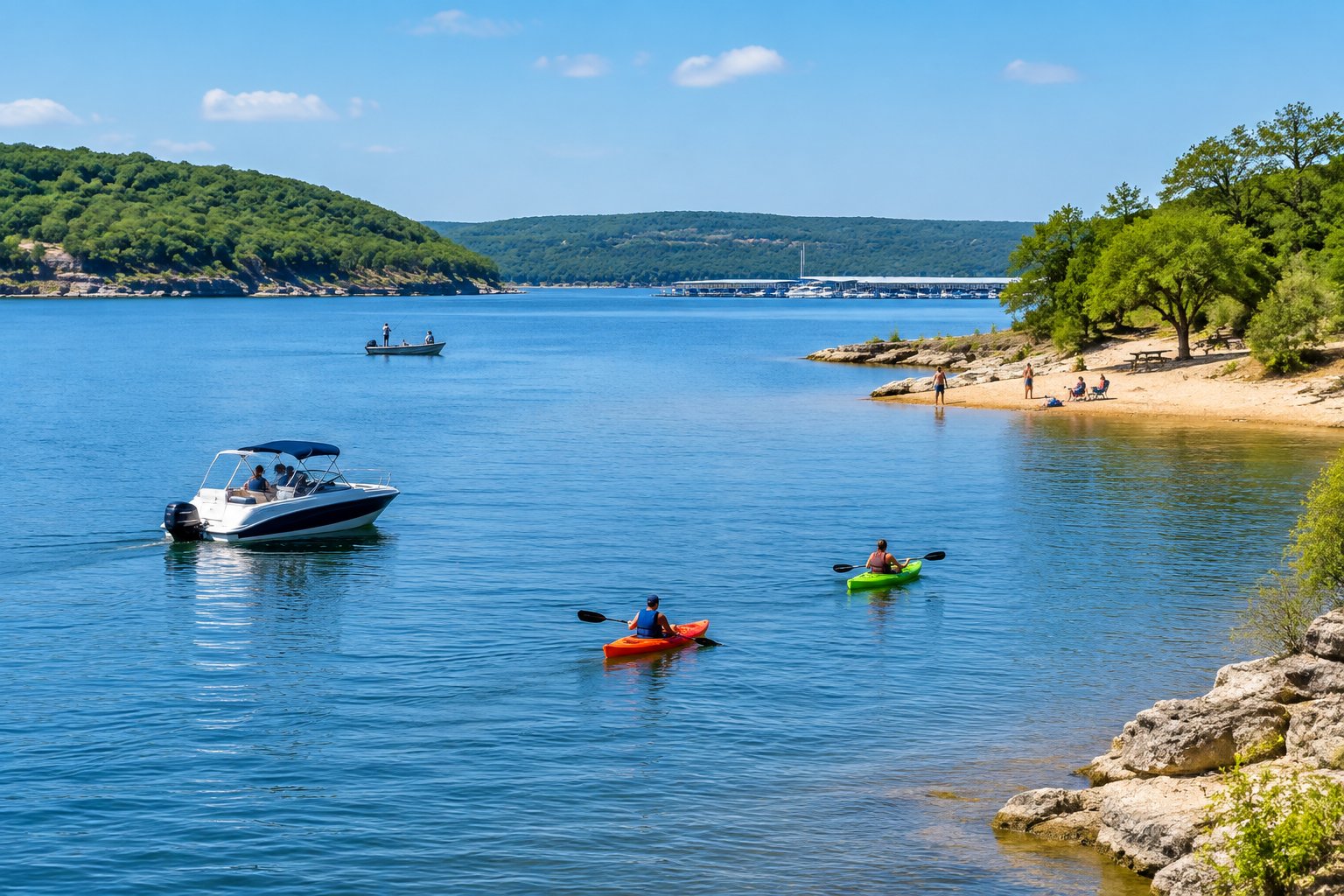
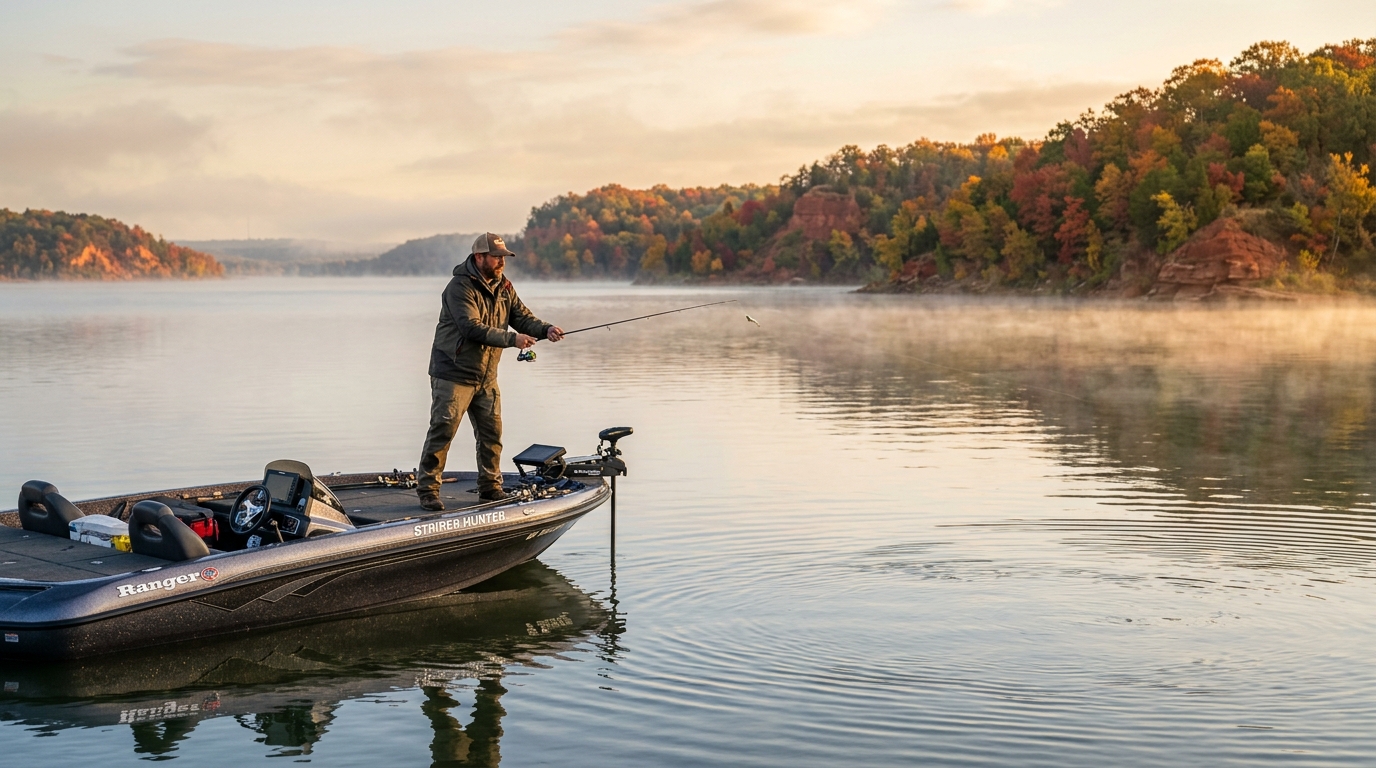
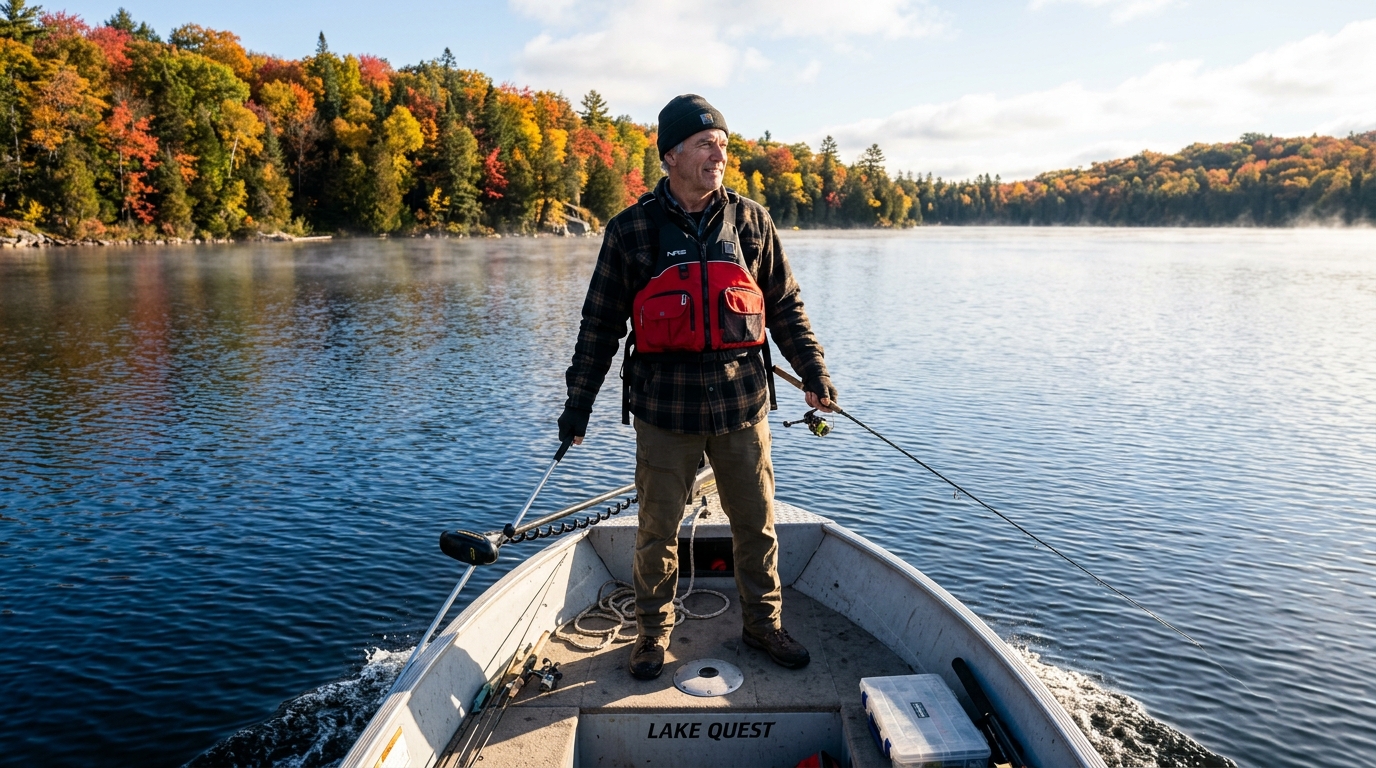
Every autumn and spring across the United States, tragic drowning accidents occur on sunny, 75°F afternoons. Boaters and paddleboarders dress for the air temperature—shorts and light shirts—forgetting that the water temperature beneath them may still be in the 50s.
According to US Coast Guard statistics, over 70% of cold water recreational drowning victims were classified as strong swimmers who entered the water within 10 to 15 feet of their vessel or the shoreline. They did not drown from hypothermia; they drowned from cold shock response.
Phase 1: Cold Water Shock (The First 60 Seconds)
When skin contacts water below 60°F (15°C), the body's autonomic nervous system triggers an immediate, violent torso gasp reflex:
- The sudden gasp takes in up to 2.5 liters of air—or water, if your head is submerged upon impact.
- Hyperventilation increases breathing rate by 400%, accompanied by an immediate surge in heart rate and blood pressure that can induce cardiac arrest in vulnerable individuals.
- What to do: Fight the urge to panic. Keep your face above water for the first 60 seconds until breathing stabilizes.
Phase 2: Cold Incapacitation (10 Minutes)
Within 5 to 10 minutes of immersion, blood vessels in the extremities constrict violently to preserve core temperature:
- Fingers, arms, and leg muscles lose nerve conduction and motor control.
- You cannot open a pocket knife, grip a dock ladder, or perform effective swimming strokes—regardless of how athletic you are.
- This is why swimmers drown while attempting a 20-yard swim to shore.
The USCG 1-10-1 Rule for Survival
- 1 Minute: Calm your breathing, resist gasping, and keep your airway clear.
- 10 Minutes: Utilize meaningful movement to secure yourself to your vessel, dock, or floating debris.
- 1 Hour: Hypothermia window before core temperature drops to dangerous unconscious levels.