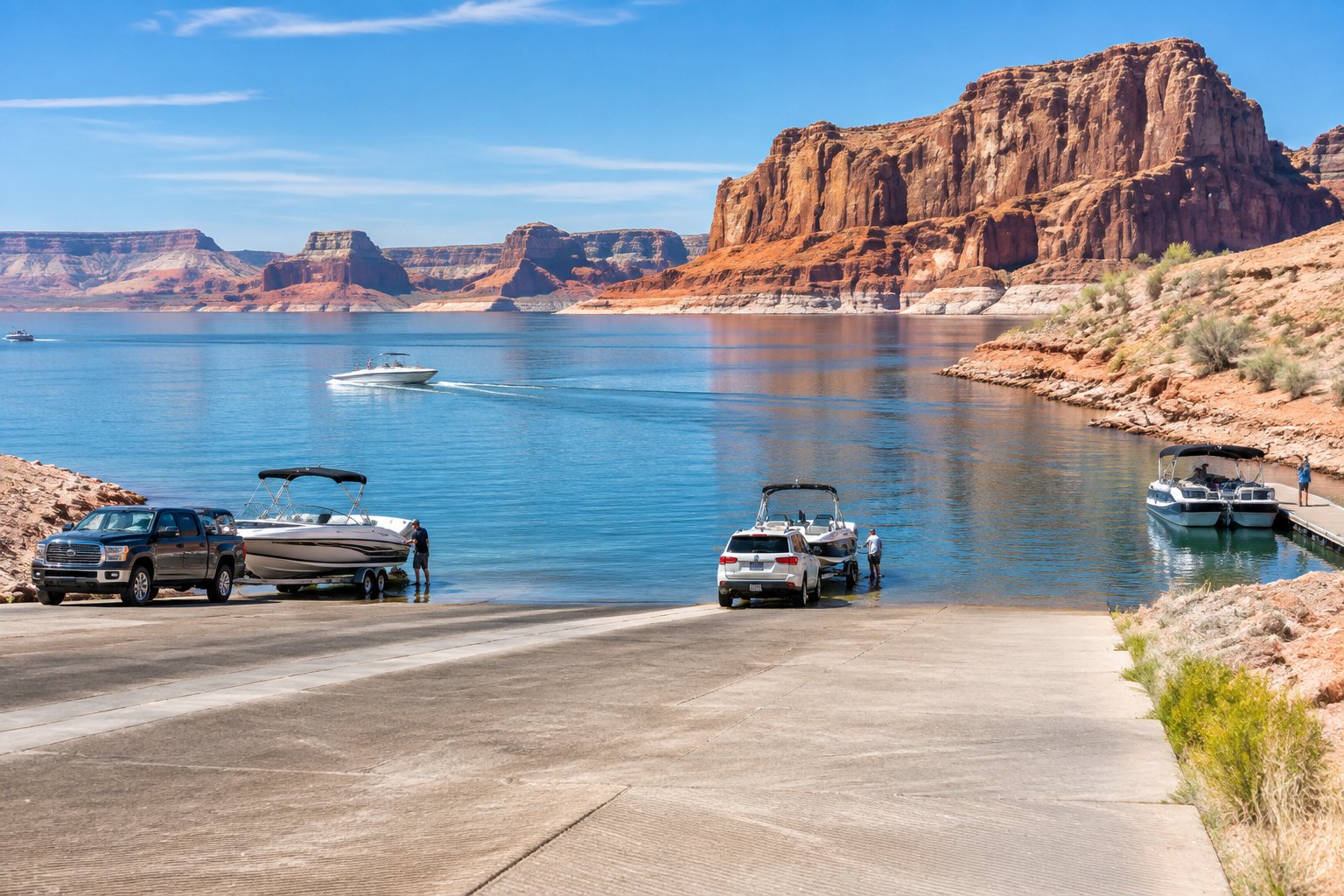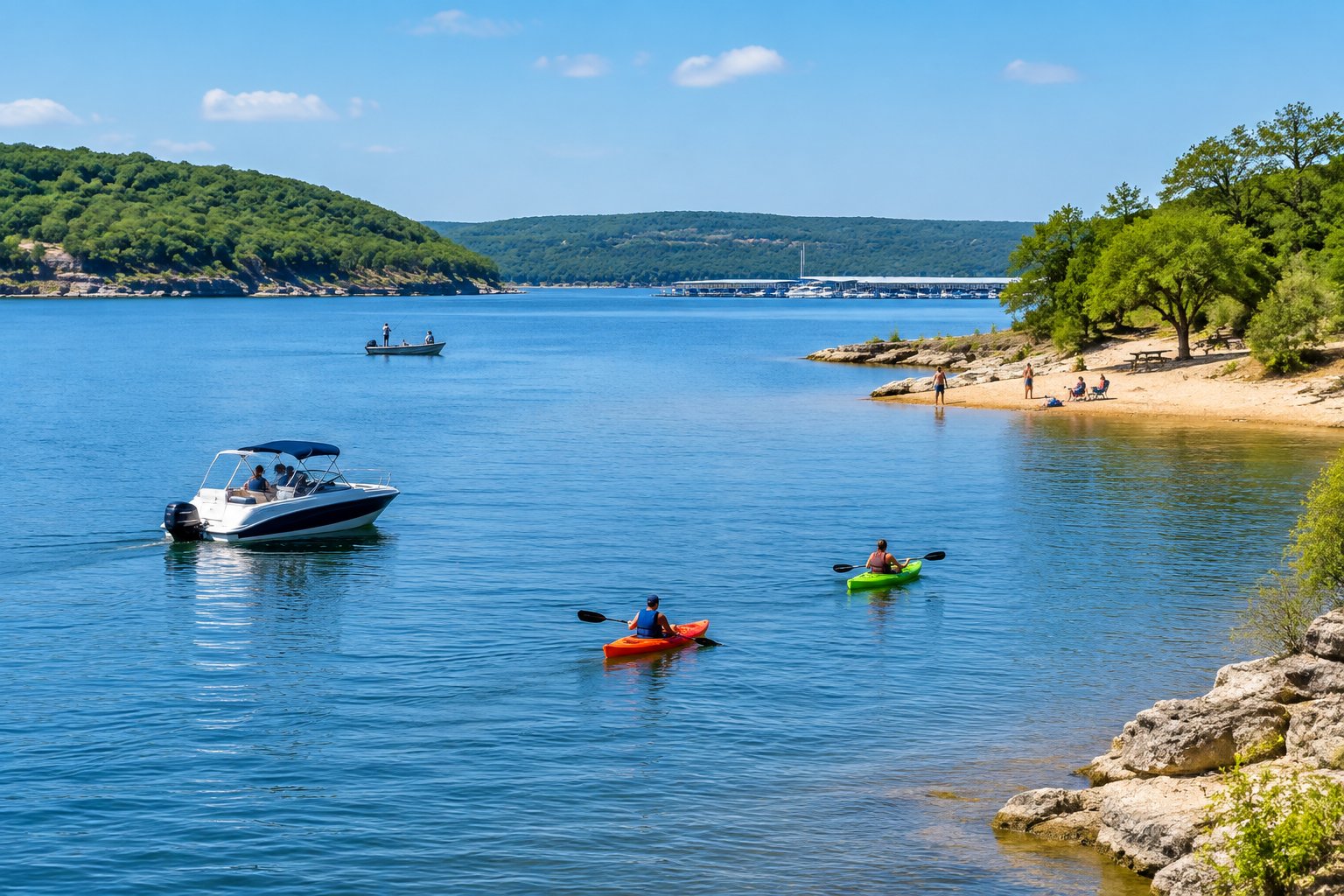
Lake Lanier covers 38,000 acres in North Georgia, with roughly 700 miles of shoreline winding through wooded coves and open water. That size draws heavy recreational boating traffic every weekend from spring through fall, and it also hides real terrain underneath the surface. Understanding Lake Lanier boating hazards before you launch makes the difference between a normal day on the water and a preventable emergency.
I've spent enough time around this lake to know that most problems come from a mix of crowded coves, changing water levels, and operators who misjudge how fast conditions shift here. None of that is unusual for a reservoir this size, but it does mean visitors need more than a generic boating checklist. If you're planning a trip, check current lake conditions and Lake Lanier access points before you head out, so you know what to expect at the ramp and on the water.
Why Lake Lanier Requires Extra Caution
Lake Lanier combines heavy boat traffic, murky water, and submerged hazards left over from the land it flooded decades ago. Those three factors, plus the effects of Buford Dam releases downstream, create conditions that catch inexperienced boaters off guard.
Heavy Boat Traffic, Marinas, and Swimming Areas
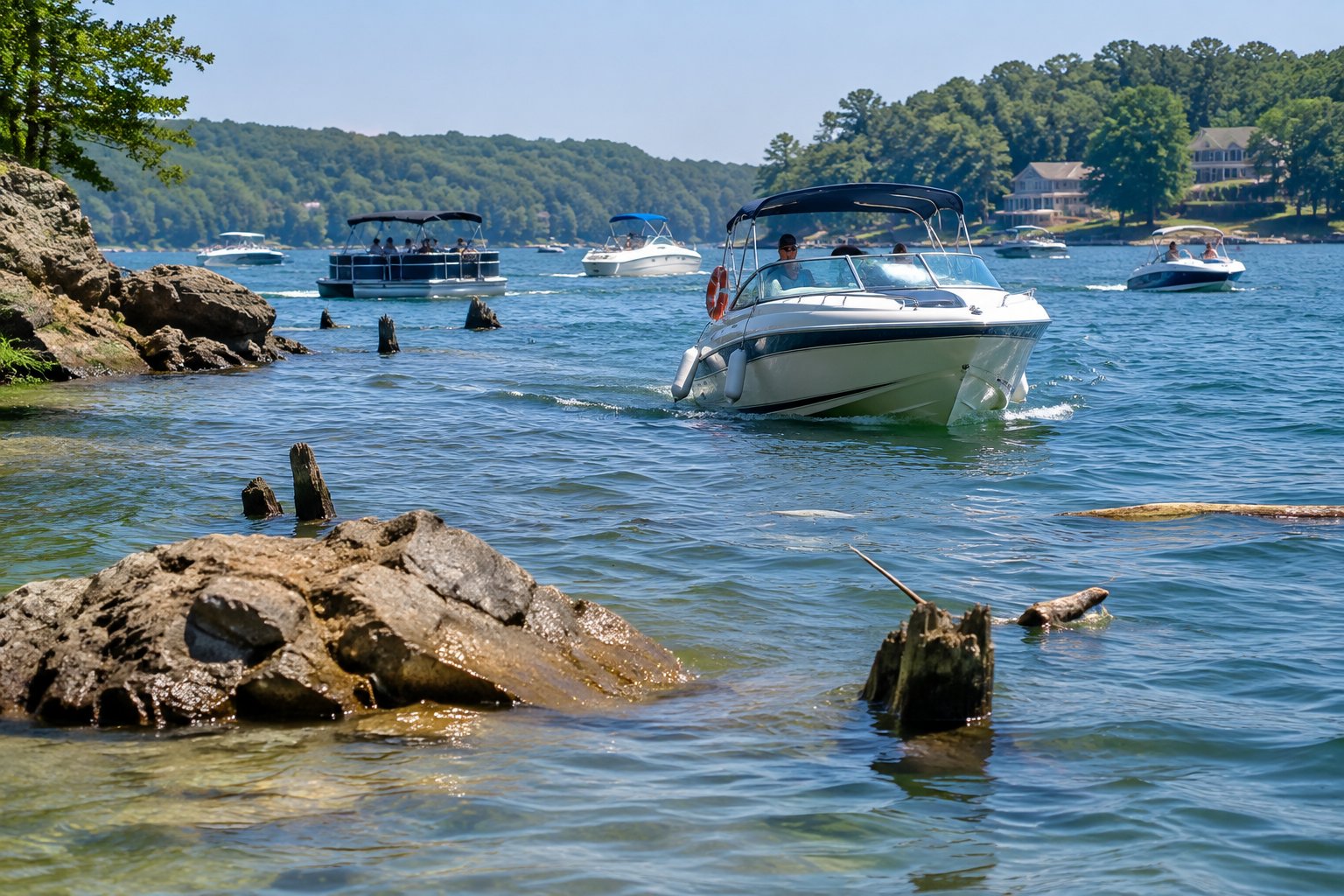
Lake Lanier ranks among the busiest inland lakes in the country, and traffic gets tight fast on warm weekends. Pontoon boats, wakeboarders, personal watercraft, and swimmers often share the same coves near marinas and swim beaches.
Slow down near marina entrances and posted swim areas. Wakes that feel harmless in open water can knock down a swimmer or rock a moored boat hard enough to cause damage near shore.
Murky Water, Sudden Depth Changes, and Drop-Offs
Lake Lanier's water runs murky most of the season, which hides drop-offs until a boat is already over them. Depth can change by many feet within a short distance, especially near old creek channels and the shoreline around Oscarville.
Operators who don't know the lake should stick to marked channels and reduce speed in unfamiliar coves. A depth finder helps, but it won't replace slowing down when visibility into the water is poor.
Submerged Trees, Debris, and Other Underwater Obstacles
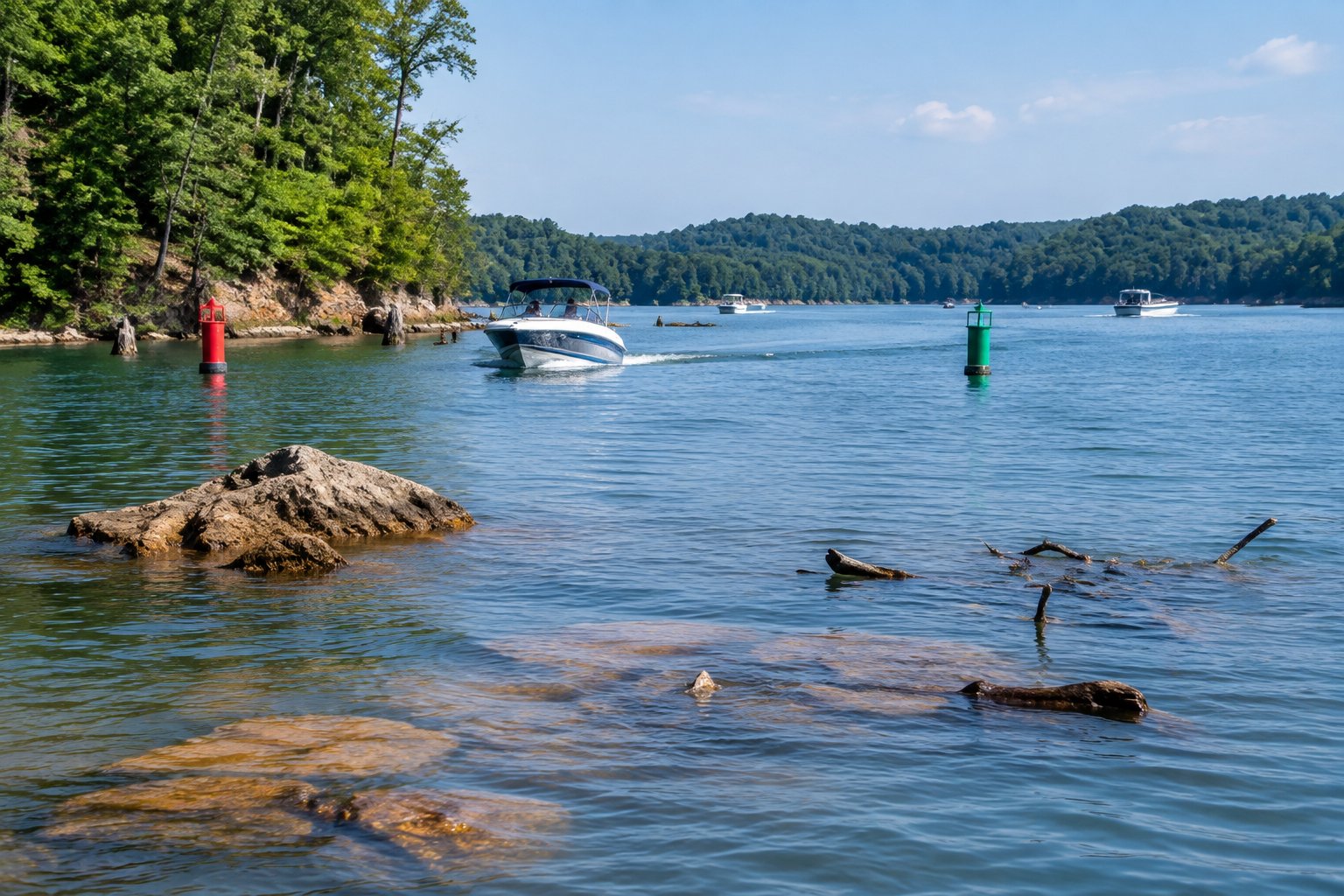
Submerged trees and other debris are common on Lake Lanier because the lake was formed by flooding forested land along the Chattahoochee River. Stumps, standing timber, and floating debris can sit just below the surface, invisible from the bow of a moving boat.
Fluctuating water levels expose or reveal new hazards throughout the year. Checking water level data before a trip gives a sense of how much clearance to expect in shallow coves.
Buford Dam, the Chattahoochee River, and Dam Releases
Buford Dam controls water flow into the Chattahoochee River, and releases from the dam can create strong currents downstream with little warning. The U.S. Army Corps of Engineers manages these releases, and boaters near the dam should stay alert to sirens or posted notices signaling a change in flow.
Currents near the dam can catch swimmers and small boats off guard even on a calm day. Staying well clear of the dam structure itself is standard practice for anyone boating in that section of the lake.
What Causes Most Watercraft Incidents?
Most boating incidents on Lake Lanier trace back to operator decisions rather than equipment failure or bad luck. Speeding, alcohol use, inexperience, and ignoring right-of-way rules show up again and again in reports from busy weekends on the water.
Operator Error and Inexperience
Operator error is the leading factor behind boating accidents on Lake Lanier. New boaters often misjudge wake effects, follow other vessels too closely, or struggle to maneuver in crowded coves during peak traffic hours.
Building operator proficiency takes time on the water in lower-traffic conditions before tackling a busy Saturday afternoon. Practicing docking, turning, and stopping distances in an open area pays off once the lake fills up.
Speeding, Alcohol Use, and Poor Judgment
Speeding and alcohol use together account for a large share of serious incidents on the lake. Georgia game wardens report dozens of boating-under-the-influence citations during major holiday weekends, with Lake Lanier consistently among the top locations for enforcement.
Speed limits and no-wake zones exist near marinas, swim areas, and narrow channels for good reason. Alcohol slows reaction time and judgment exactly when quick decisions matter most, which is why sober operation matters on every trip, not just long weekends.
Mechanical Failures and Preventable Equipment Problems
Mechanical failure causes fewer incidents than operator error, but it's largely preventable with routine maintenance. Fuel line problems, dead batteries, and worn steering components tend to surface at the worst possible moment, usually far from the ramp.
A pre-departure check of the engine, fuel level, and steering response catches most issues before they become emergencies on the water.
Navigation Rules, Right-of-Way Rules, and Reduced Visibility
Navigation rules and right-of-way rules exist to prevent collisions in crowded water, and ignoring them is a common thread in Lake Lanier incidents. Maritime laws require operators to yield in specific situations, such as when crossing paths with another vessel or overtaking from behind.
Reduced visibility from fog, glare, or dusk makes these rules even more important. Running proper navigation lights after sunset isn't optional; it's how other boats know your position and direction.
How to Prepare for a Safer Day on the Water
Preparation for a day on Lake Lanier starts with safety equipment, a weather check, and a quick inspection before leaving the dock. These steps take a few minutes but address most of the risks covered above.
Life Jackets and Required Safety Equipment
A U.S. Coast Guard-approved life jacket for every person on board is the single most effective piece of safety gear on any boat. Children should wear one at all times, and adults are strongly encouraged to wear one rather than just stow it under a seat.
Beyond PFDs, boats need a fire extinguisher, a first-aid kit, and ideally a VHF radio for communication if cell service drops in a remote cove. Keep this gear accessible, not buried under coolers and gear bags.
Weather Checks for High Winds, Heavy Rain, and Lightning
Checking the forecast before launching is a basic step that too many boaters skip on Lake Lanier. Sudden thunderstorms build quickly over North Georgia in warm months, bringing high winds, heavy rain, and lightning with little advance notice.
Unpredictable weather can turn a calm lake into rough water within twenty minutes. Watch the sky as much as the forecast; darkening clouds or a sudden wind shift are signs to head back to the ramp early.
Pre-Departure Inspections and a Float Plan
A short pre-departure inspection covers the engine, fuel, battery, lights, and safety gear before you leave the dock. Checking boat ramps ahead of time also helps you plan for crowding at popular launch points.
Leaving a float plan with someone on shore, including where you're going and when you expect to return, gives responders a starting point if something goes wrong.
Boater Education and Passenger Briefings
Completing a boater education course improves decision-making on crowded water and is required for many operators under Georgia law. The U.S. Coast Guard Auxiliary and Georgia DNR both offer courses covering navigation rules, right-of-way, and emergency procedures.
Briefing passengers on life jacket locations and what to do in an emergency takes two minutes and pays off if conditions change fast.
What to Do if Conditions Turn Dangerous
Acting quickly and calmly is what limits damage when conditions turn dangerous on Lake Lanier. Knowing the right response ahead of time removes the guesswork when a storm rolls in or someone falls overboard.
Responding to a Sudden Storm or Loss of Visibility
Head to the nearest shore immediately when a sudden storm or lightning approaches. Reduced visibility from heavy rain or fog means slowing down, turning on navigation lights, and using a horn or radio to signal your position to nearby boats.
Don't wait for the storm to arrive before deciding to return. Strong currents and choppy water can make the return trip harder the longer you wait.
Helping Someone Who Falls Overboard
Cut the engine immediately if someone falls overboard, then throw a flotation device toward them. Keep the person in sight at all times while maneuvering the boat back around, and pull them in from the stern where the boat sits lowest in the water.
Knowing basic first aid and CPR matters here, since drowning incidents can happen fast even with a life jacket on.
Handling Breakdowns, Fires, and Collisions
Stop the engine and assess the situation calmly if you're involved in a breakdown, fire, or collision. Use a fire extinguisher immediately on any onboard fire, and call for help on a VHF radio or cell phone while checking passengers for injuries.
For collisions, exchange information with the other operator and report the incident to Georgia DNR as required by law.
When Swimmers Should Stop and Get Out of the Water
Swimmers should exit the water when a storm approaches, when water turns murky or green after heavy rain, or when boat traffic picks up nearby. Strong currents near the dam and drop-offs in coves are also reasons to stay closer to shore.
Swimming lessons build the confidence and skill needed to handle unexpected currents or fatigue in open water.
Safe Decisions Make Lake Days More Enjoyable
Safe boating decisions come down to preparation, attention, and respect for the lake's size and terrain. Georgia DNR's Wildlife Resources Division publishes current rules and safety advisories for recreational boating on Lake Lanier, and checking those resources before a trip keeps you current on requirements that can change season to season.
The hazards covered here, crowded coves, submerged obstacles, dam releases, and fast-moving weather, are manageable with the right habits. Slowing down in unfamiliar water, wearing a life jacket, and watching the sky are small actions that prevent most serious incidents on this lake.
Frequently Asked Questions
Why is boating on Lake Lanier considered risky?
Lake Lanier combines heavy boat traffic, murky water, and submerged obstacles left from the flooded land beneath it. Sudden weather changes and strong currents near Buford Dam add to the risk, especially for boaters unfamiliar with the lake's layout.
What boating restrictions apply on Lake Lanier?
Georgia DNR enforces speed limits, no-wake zones near marinas and swim areas, and standard navigation and right-of-way rules on Lake Lanier. Current restrictions and enforcement details are published through Georgia DNR's Wildlife Resources Division.
Do I need to wear a life jacket on Lake Lanier?
Children are required to wear a U.S. Coast Guard-approved life jacket at all times on Georgia waterways, including Lake Lanier. Adults aren't always required to wear one while the boat is moving, but doing so significantly improves survival odds in a sudden fall overboard or capsizing.
What is the 1/3 rule in boating?
The 1/3 rule means using one-third of your fuel to travel out, one-third to return, and keeping one-third in reserve for emergencies. It helps prevent running out of fuel far from the dock, especially on a lake as large as Lanier.
Is it safe to swim in Lake Lanier?
Swimming in Lake Lanier is generally fine in designated areas, but conditions change quickly after heavy rain when water turns murky or green. Staying out of boat traffic lanes and away from the dam's strong currents reduces the main risks for swimmers.
What should boaters do when a thunderstorm approaches Lake Lanier?
Head to the nearest shore immediately when a sudden thunderstorm approaches Lake Lanier. Lightning and high winds build fast over North Georgia, so waiting too long to return can leave a boat exposed in open water during the worst part of the storm.